
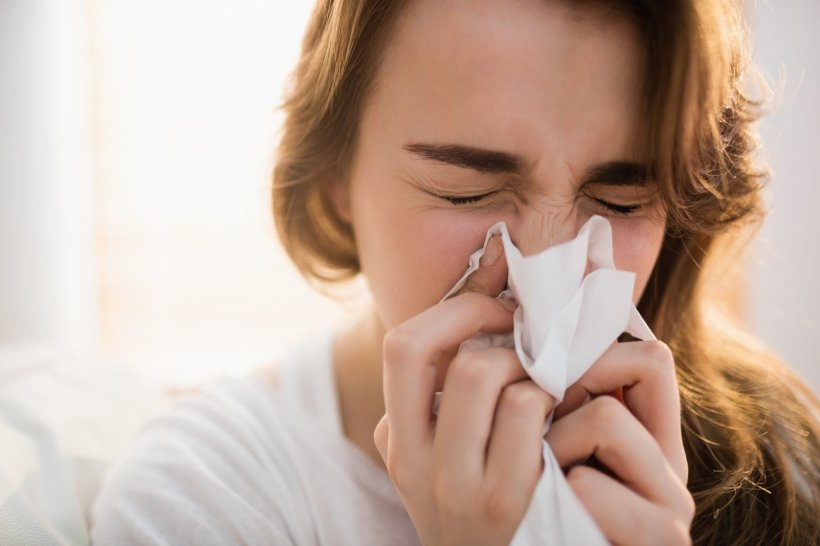
Sneezing serves as your respiratory system’s automatic defense mechanism, expelling irritants from your nasal passages at high speeds. Understanding what sparks this involuntary reflex helps you isolate environmental triggers, manage daily discomfort, and prevent ongoing upper respiratory irritation. Identifying whether your sneezing stems from seasonal allergies, viral infections, physical irritants, or sudden environmental shifts allows you to choose targeted remedies and regain control over your sinus health. Understanding what triggers sneezing from airborne allergens like pollen and dust to sudden exposure to bright sunlight can help you better manage your daily environmental allergies and keep unexpected fits at bay.
The Biological Mechanism Behind the Sternutatory Reflex
Sneezing, medically termed sternutation, begins when sensitive nerve endings inside your nasal lining detect foreign particles or inflammation. This irritation stimulates the trigeminal nerve, sending immediate electrical signals straight to the brainstem’s sneezing center.
Once activated, your brain coordinates a powerful muscular response involving your intercostal chest muscles, diaphragm, throat, and abdominal wall. Your lungs take a deep breath, your vocal cords close briefly, and pressure builds inside your chest cavity. Your airway is immediately cleared when your throat muscles relax, causing an explosive burst of air to push mucus, foreign objects, and micro particles out through your mouth and nose.
Environmental Allergens and Immune System Reactions
Allergic rhinitis stands out as one of the most common causes of frequent, rhythmic sneezing fits. When you inhale airborne substances that your immune system incorrectly flags as dangerous invaders, your body releases histamine into your bloodstream.
Histamine causes the delicate tissues inside your nasal passages to swell, produce clear mucus, and itch intensely. This localized tissue swelling directly stimulates sensory nerve endings, triggering rapid-fire sneezing episodes designed to purge the airborne allergen from your airways.
- Airborne Tree and Grass Pollen: Microscopic plant particles released during spring and summer bloom cycles that coat outdoor surfaces and drift into home ventilation systems.
- Microscopic Dust Mites: Tiny organisms thriving in soft mattresses, upholstered furniture, and carpets whose waste proteins trigger year-round indoor allergic reactions.
- Animal Dander and Saliva Proteins: Microscopic skin flakes shed by dogs, cats, and birds that settle onto clothing, bedding, and indoor air spaces.
- Indoor Mold and Spore Fungi: Fungal spores multiplying in damp, humid environments like basements, tiled bathrooms, and under leaky kitchen sinks.
Viral Upper Respiratory Infections and Cold Pathogens
Viruses like the common cold, influenza, and various respiratory pathogens directly infect the mucosal lining of your upper respiratory tract. As viruses invade nasal cells, your body initiates a localized inflammatory response to trap and eliminate the viral particles.
This inflammatory response leads to nasal congestion, thickened mucus production, and constant nerve irritation. Unlike allergen-induced sneezing, viral infections usually produce additional systemic symptoms like low-grade fevers, body aches, sore throats, and thick yellow or greenish nasal discharge. Sneezing in this context helps expel viral-laden fluid, protecting deeper lung structures from secondary infections.
Non-Allergic Environmental Irritants and Chemical Airborne Triggers
You do not need an underlying allergy or viral infection to experience intense sneezing episodes. Non-allergic rhinitis occurs when physical or chemical irritants directly aggravate the delicate nasal mucosa without triggering an immune system histamine release.
Strong fragrances, synthetic perfumes, scented candles, and concentrated household cleaning products release volatile organic compounds that inflame sensitive nasal membranes instantly. Industrial chemicals, automotive exhaust, cigarette smoke, and fine woodworking dust also act as direct mechanical irritants. When these sharp particles settle on nasal tissues, your nervous system triggers a rapid sneeze to flush out the harsh compounds.
Conclusion
Sneezing is a vital protective response designed to keep your respiratory system clear of dangerous pathogens, allergens, and physical debris. Identifying whether your sneezing stems from seasonal pollen, viral infections, chemical irritants, or genetic reflexes like the photic response allows you to take proactive steps toward symptom relief. Tracking your daily environment, maintaining clean indoor air, and using gentle nasal rinses minimize nerve irritation, keeping your airways clear and comfortable throughout every season.
