
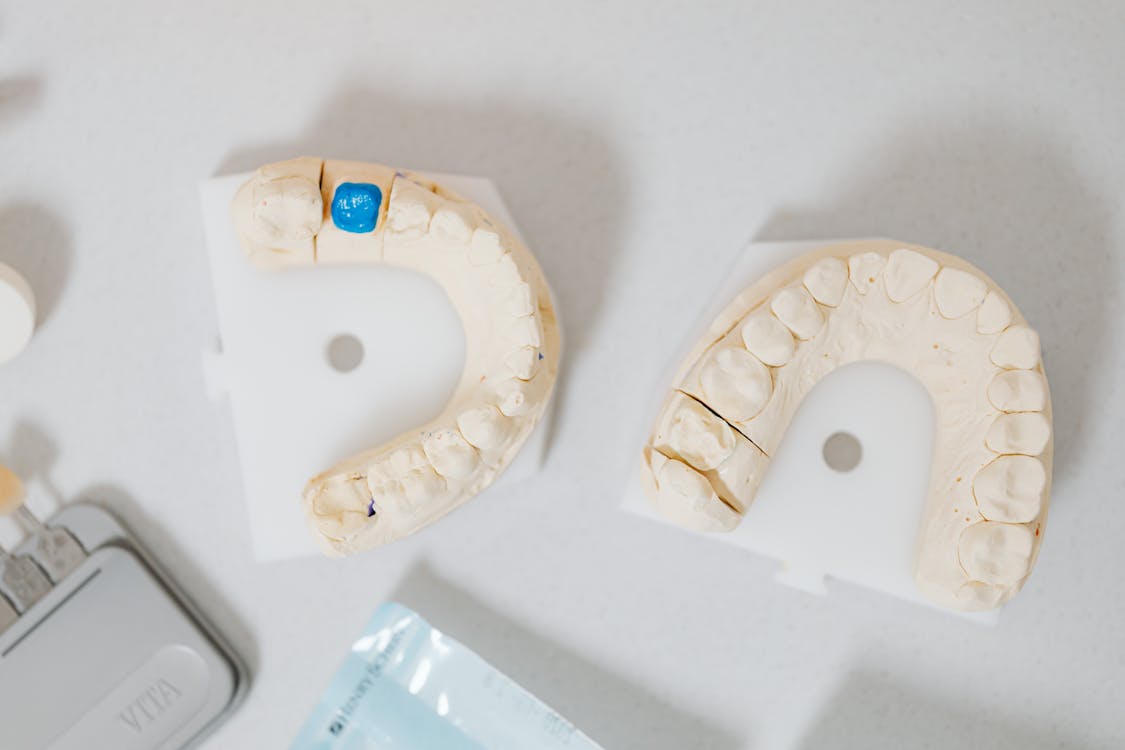
If you’re looking for an invisible, discreet way to fix your teeth, Invisalign Orthodontics might be the solution for you. Read on in this article to find out more about how this incredible new technique works and why it’s so much better than traditional braces!
Pros and Cons of Invisalign
There are many reasons to consider Invisalign orthodontics. They are much less noticeable than metal braces, and they can be removed for eating and brushing your teeth. However, there are also some downsides to Invisalign that you should be aware of before making a decision.
One of the biggest disadvantages of Invisalign is that they can be more expensive than traditional braces. They also require more frequent trips to the orthodontist for adjustments, which can add up over time. Additionally, Invisalign can sometimes be less effective than braces at correcting certain types of dental problems.
Before deciding whether or not to get Invisalign, be sure to talk to your orthodontist about all of the pros and cons. Only you can decide if the benefits outweigh the drawbacks in your particular case.
What Types of Teeth Problems Can Be Helped with Invisalign?
There are a number of different types of teeth problems that can be helped with Invisalign. Some of the more common issues that can be corrected include:
- Crowding: This is when there is simply not enough room in your mouth for all of your teeth. As a result, they may become crooked or overlap.
- Gaps: Gaps can occur between teeth for a variety of reasons, including missing teeth. Invisalign can help to close these gaps and give you a straighter smile.
- Overbites: An overbite occurs when your upper teeth protrude too far forward over your lower teeth. This can cause a number of problems, including difficulty biting and chewing food properly.
- Underbites: An underbite is just the opposite of an overbite – in this case, your lower teeth protrude too far forward. Like an overbite, an underbite can make it difficult to bite and chew properly.
How Does the Treatment Work?
The Invisalign treatment system uses a series of clear, custom-made, removable aligners that are virtually invisible. As you replace each aligner with the next in the series, your teeth will move – little by little, week by week – until they have straightened to their final position.
You’ll visit your orthodontist every six weeks or so to ensure that your treatment is progressing as planned. And unlike braces, there are no metal brackets or wires with Invisalign – just smooth, comfortable and practically invisible plastic that gradually moves your teeth into place.
